June holds special significance across Canada as we observe both Pride Month and National Indigenous History Month. While each observance has its own distinct history, they offer an important opportunity to reflect on how struggles for equity, dignity, self-determination, and belonging are deeply interconnected.
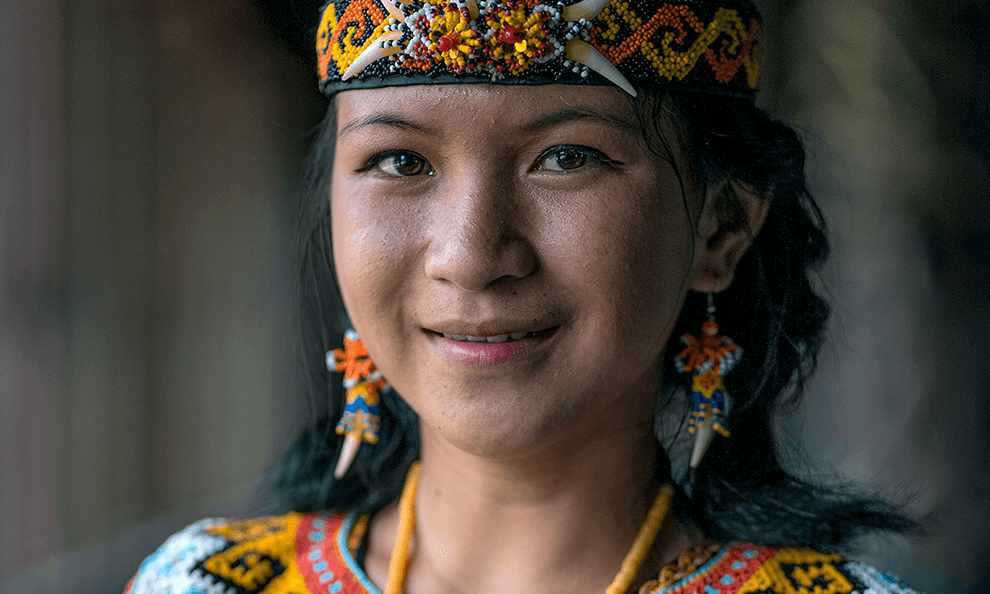
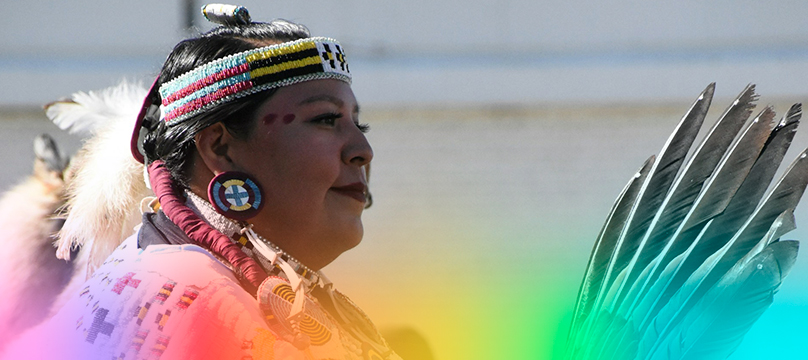
National Indigenous History Month recognizes the histories, cultures, achievements, and ongoing contributions of First Nations, Inuit, and Métis Peoples. It is a time to deepen our understanding of Indigenous experiences, acknowledge the impacts of colonialism, and support the ongoing work of truth, reconciliation, and Indigenous sovereignty. June 21, which coincides with the summer solstice, is also recognized as National Indigenous Peoples Day across Canada. (Canada)
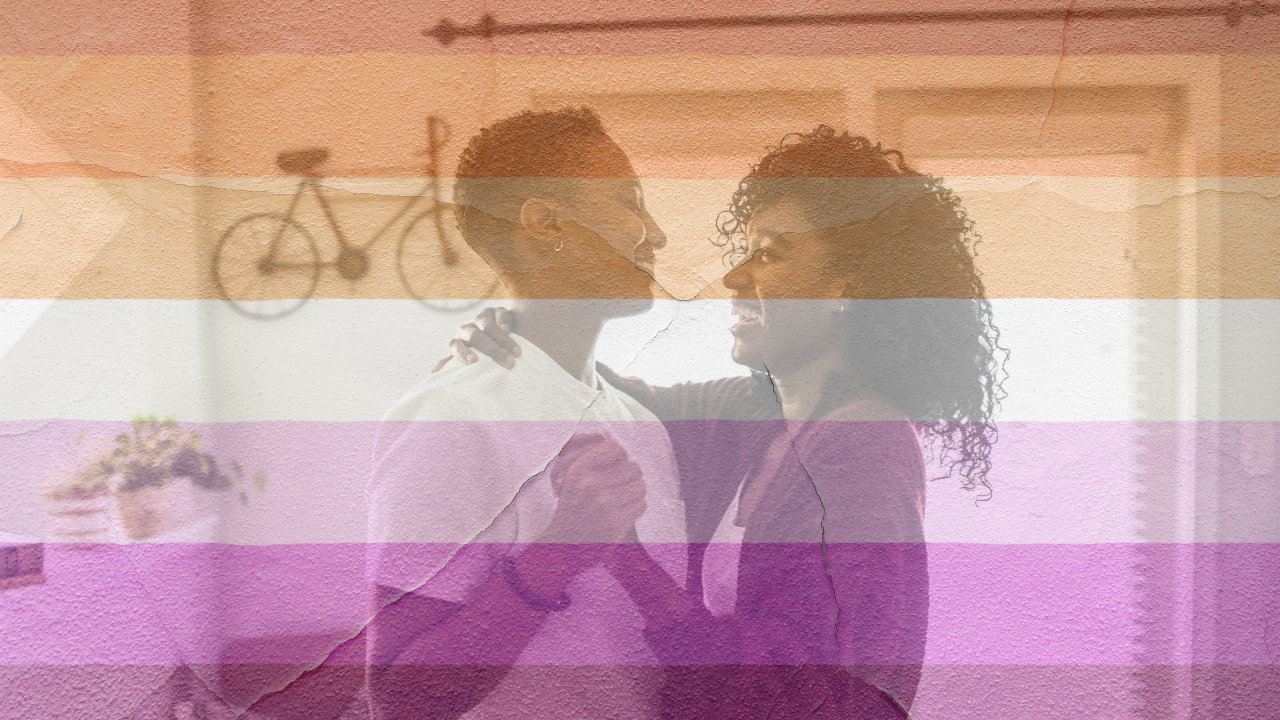
At the same time, Pride Month celebrates the resilience, diversity, and contributions of 2SLGBTQIA+ communities. Pride emerged from movements demanding safety, rights, visibility, and liberation for people whose identities have historically been marginalized and criminalized.
These observances are not separate stories. Across many Indigenous Nations, diverse understandings of gender and sexuality existed long before European colonization. Colonial systems imposed rigid gender norms and attempted to erase Indigenous cultural practices, languages, and identities, including those now recognized under the umbrella term “Two-Spirit.” Today, many Indigenous leaders, Knowledge Keepers, and Two-Spirit advocates continue the work of revitalizing these traditions and creating spaces where Indigenous and queer identities can thrive together.
Recognizing both Pride Month and National Indigenous History Month invites us to think critically about how we celebrate. Decolonizing Pride means moving beyond visibility alone and examining whose voices are centered, whose stories are overlooked, and how barriers continue to affect Indigenous, Black, racialized, newcomer, disabled, and other marginalized members of 2SLGBTQIA+ communities. It means understanding that inclusion requires more than representation; it requires action, accountability, and a commitment to equity.
At Moyo Health & Community Services, we believe that community wellness is strengthened when we honour the full diversity of people’s identities and experiences. This June, we encourage our community to engage in learning, support Indigenous-led initiatives, amplify Indigenous and Two-Spirit voices, attend local cultural and Pride events, and continue conversations about reconciliation, equity, and belonging.
National Indigenous History Month reminds us that Indigenous histories are living histories. Pride reminds us that liberation is ongoing. Together, they challenge us to imagine and build communities where everyone can be seen, valued, and supported.
As we move through June, may we celebrate with joy, learn with humility, and create space for one another with intention and care.